Our companion animals are beloved family members who provide unshakeable loyalty and comfort. Because their lifespans are naturally shorter than ours, a profound responsibility of a pet parent is implementing lifestyle habits that maximize longevity and preserve vitality. Recent advancements reveal that a pet’s life expectancy is not purely determined by genetics. Instead, daily choices regarding metabolic health, physical environments, and preventative medical protocols play a massive role in long-term health.
1. Establishing Advanced Preventive Foundations
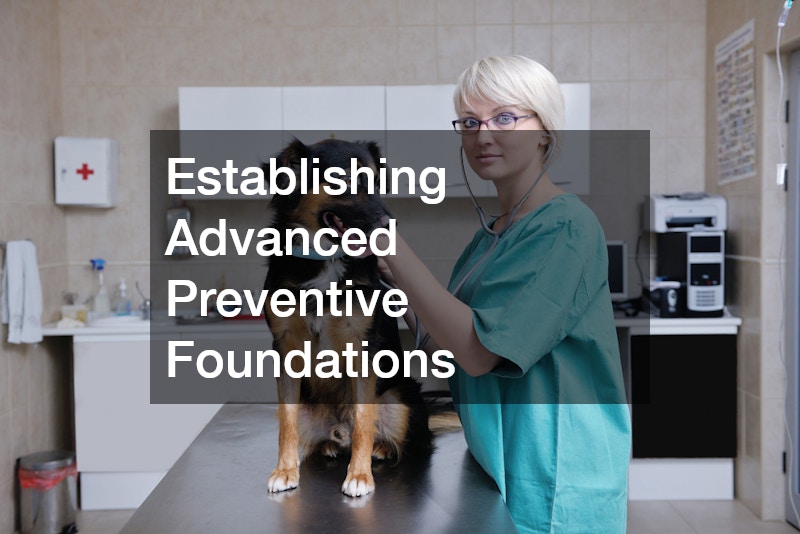
The foundation of animal longevity relies on a continuous commitment to early disease detection. Pets are biologically wired to hide physical pain; this survival instinct means that by the time an animal shows obvious outward signs of illness, such as lethargy or weight shifts, the underlying disease may have already advanced to a dangerous stage. Catching cellular abnormalities or early organ stress before symptoms appear is the single most effective way to extend their life.
To protect your pet’s internal health, you must build a relationship with a forward-thinking veterinary team to manage continuous, comprehensive veterinary care. Annual or bi-annual checkups should extend far past basic physical exams. For aging companion animals, request regular diagnostic panels, including full blood chemistry profiles, complete blood counts, urinalysis, and thyroid testing.
-
Order Annual Senior Biomarker Blood Panels: Request complete diagnostic testing, tracking symmetrical dimethylarginine levels to catch chronic kidney disease years before traditional blood tests register a change.
-
Track Body Condition Scores Weekly: Use hands-on palpation techniques to evaluate your pet’s rib coverage, ensuring they maintain an optimal score to avoid dangerous obesity-related inflammation.
2. Navigating Lifesaving Medical Interventions and Crisis Protocols
Even with excellent preventative care, a pet may encounter a serious medical crisis, such as severe periodontal disease, internal masses, or sudden physical trauma, that requires an operation. For many pet parents, the thought of their animal undergoing anesthesia triggers intense anxiety. However, avoiding necessary clinical treatments due to fear of the operating room can dramatically shorten an animal’s life by allowing chronic infections or tumors to spread unchecked.
When a major health issue arises, choosing an advanced medical facility that specializes in precision veterinary surgery is critical to securing a safe outcome. Modern veterinary surgical teams use highly sophisticated monitoring arrays, including continuous electrocardiography, pulse oximetry, and invasive blood pressure tracking, to manage anesthetic risks with incredible precision.
-
Demand a Comprehensive Pre-Anesthetic Cardiac Audit: Require a full echocardiogram or thoracic X-ray series before any major operation to verify that your pet’s heart can safely handle anesthetic medications.
-
Verify Dedicated Multi-Parameter Vital Monitoring Arrays: Ensure the surgical facility assigns a dedicated, certified veterinary technician to monitor your pet’s core temperature and oxygen saturation throughout the procedure.
3. Protecting Pets from Severe External Parasites and Pathogens
Your pet’s physical environment is filled with microscopic threats, specialized parasites, and vector-borne pathogens that can cause permanent organ damage if left unmanaged. Fleas, ticks, mosquitoes, and stinging insects do more than just cause mild skin irritation; they serve as primary carriers for devastating, systemic conditions like heartworm disease, Lyme disease, and anaplasmosis. Protecting your pet from these hidden killers requires a continuous, year-round defense strategy.
For families living in regions known for high insect populations and humid climates, partnering with a certified South Carolina pest control firm can significantly lower your pet’s environmental exposure. These environmental technicians will treat your perimeter grass lines, clear tick breeding grounds, and target mosquito nests safely.
-
Enforce Strict Year-Round Heartworm Preventative Schedules: Administer vet-prescribed monthly oral or topical preventatives without interruption, as missing even a single dose can allow heartworm larvae to mature and damage pulmonary arteries.
-
Create a Treated Defensive Border Around Your Property: Use pet-safe, industrial perimeter barrier sprays around your backyard fencing to keep disease-carrying ticks and fleas from migrating into your pet’s primary play spaces.
4. Securing Residential Foundations from Hidden Structural Pests
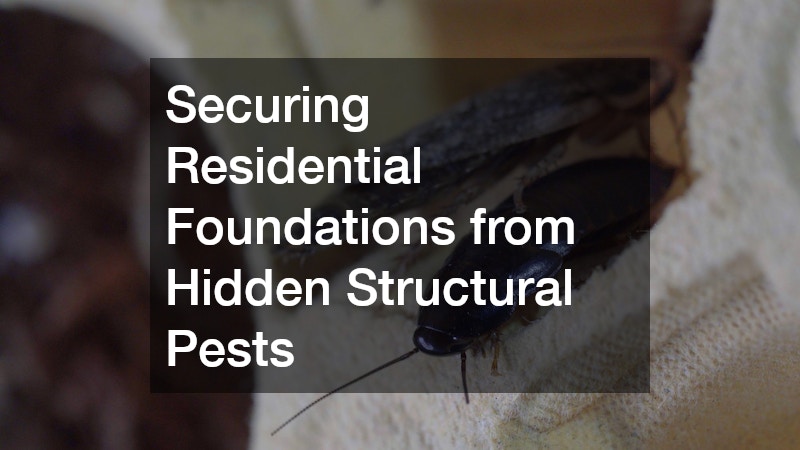
A pet’s long-term health is directly connected to the safety, cleanliness, and structural integrity of the home they live in every day. Hidden dampness, structural wood rot, and crumbling foundations create perfect breeding grounds for toxic black molds, microscopic mites, and airborne allergens that can severely compromise an animal’s respiratory health. Protecting your home’s foundation from silent, destructive invaders is a vital step in maintaining a clean, healthy living space for your family and your pets.
If you suspect your property has a hidden moisture issue or structural wood damage, calling in a licensed termite exterminator to run a full diagnostic audit can protect your asset and your companion’s wellness. Wood-destroying insects hollow out structural support beams, creating damp, dust-filled wall voids that vent insect feces and mold spores straight into your home’s living spaces.
-
Schedule Annual Sub-Structural Foundation Inspections: Have professionals check crawlspaces and basement framing for mud tubes or wood damage to catch subterranean insect pathways before they spread.
-
Deploy Advanced Low-Profile Dehumidifier Systems: Keep the humidity levels in your lower crawlspaces and basements below 50% to naturally prevent wood rot and stop fungal growth.
5. Eliminating Urban Pests and Airborne Hazards
As residential communities expand into natural areas, companion animals face increasing exposure to urban pests, feral rodents, and aggressive insects. Mice, rats, and wild roaches carry a dangerous variety of life-threatening pathogens, including leptospirosis, toxoplasmosis, and various roundworm parasites. If a pet hunts a contaminated rodent or comes into contact with pest waste in a crawlspace, they can easily catch a severe, hard-to-diagnose illness that can cause permanent internal organ damage.
To eliminate these dangerous biological hazards from your property, you must deploy a professional pest extermination company to manage your home’s perimeter defenses. Professional teams will locate pest entry points, seal hidden foundation cracks, and set up secure, tamper-proof containment arrays that keep pests out without exposing your pets to dangerous chemical baits. Keeping your home completely free of rodents and urban pests ensures your animal has a clean, safe space to live and play.
-
Install Rugged Steel Foundation Vent Screens: Seal off all exterior crawlspace access points and dryer vents with heavy-duty steel mesh to block rodents from nesting beneath your floors.
-
Deploy Tamper-Proof Perimeter Bait Station Arrays: Ensure all outdoor pest traps utilize lockable, heavy plastic enclosures that prevent curious dogs or cats from touching internal pest baits.
6. Managing High-Risk Visual Encounters and Wildlife Encounters
While micro-parasites and small rodents pose a constant threat to your pet’s internal health, larger woodland creatures present an immediate physical danger. Raccoons, opossums, skunks, foxes, and feral coyotes are highly protective of their territories and will attack domestic pets if cornered in a backyard. Beyond the risk of severe physical injuries, these wild animals serve as the primary carriers for the rabies virus, roundworms, and various types of mange.
If a wild animal builds a nest under your backyard deck, inside your tool shed, or up in your attic space, you must immediately partner with a specialized wildlife removal company to resolve the issue safely. Professional wildlife experts use humane, one-way door exclusions and live-trapping systems to relocate wild animals away from your property without triggering defensive, violent confrontations. Clearing your yard of wild animals ensures your dog or cat can enjoy outdoor exercise without the risk of a dangerous wildlife fight.
-
Install Underground Deck Exclusion Screens: Bury heavy-duty galvanized steel mesh a foot deep around the perimeter of your porches and sheds to stop wild animals from burrowing underneath.
-
Secure Outdoor Trash Storage Enclosures: Use locking, heavy-duty trash bins or secure storage sheds to cut off the food smells that attract hungry wildlife to your yard at night.
7. Securing Raw Feed Stocks and Preventing Toxic Agricultural Contamination
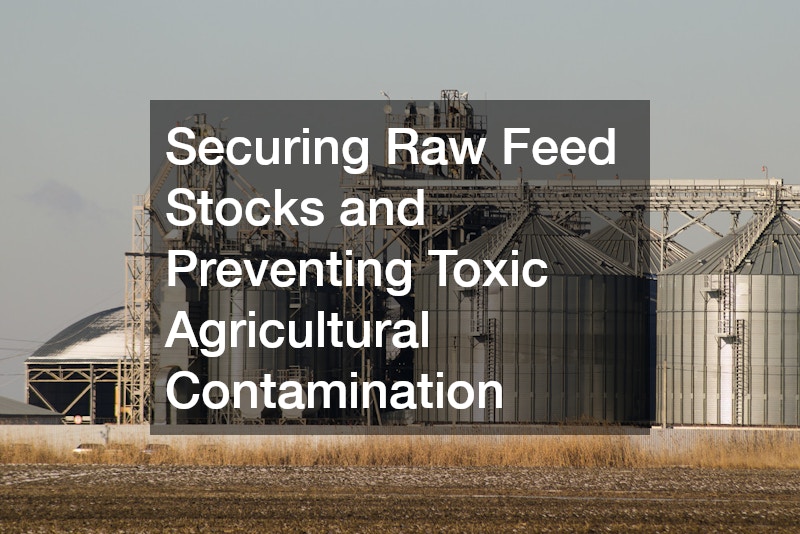
For pet parents who live on operational farms, rural homesteads, or near large agricultural properties, protecting animals from toxic food contamination is a constant challenge. Bulk grain stores, livestock feed bins, and raw seed stocks naturally attract large numbers of field rodents and wild birds. The waste and saliva from these wild intruders can rapidly contaminate feed supplies with dangerous bacteria like Salmonella and E. coli.
Furthermore, if bulk grains are exposed to moisture, they can rapidly grow dangerous molds that produce deadly mycotoxins, such as aflatoxin. If a dog consumes contaminated livestock feed, they can suffer acute, fatal liver failure within days. To prevent this, rural properties must invest in high-end grain bin products, including heavy-duty moisture-sealed lids, automated aeration fans, and professional sweeping systems. Keeping your bulk agricultural storage dry and sealed protects your working dogs and farm pets from accidental, catastrophic poisoning.
-
Install Automated Temperature and Moisture Sensor Arrays: Place digital sensors inside your bulk feed bins to catch internal heat spikes and dampness early, stopping toxic mold growth before it starts.
-
Enforce Strict First-In, First-Out Feed Rotation Schedules: Clean out feed storage containers completely before adding fresh grain to stop old, moldy material from building up at the bottom.
8. Preserving Raw Nutritional Integrity via Advanced Preservation Technology
The quality of your pet’s daily nutrition is the primary engine that drives their cellular repair, immune response, and overall longevity. Modern veterinary nutritionists heavily recognize that highly processed, high-heat commercial kibbles often lose vital vitamins, live enzymes, and delicate amino acids during the manufacturing process. Because of this, many pet owners are switching to fresh, raw, or gently cooked whole-food diets to give their animals optimal, clean nutrition.
However, distributing and storing fresh pet food requires a highly disciplined commitment to food safety and strict temperature control to prevent bacterial growth. Leading pet food manufacturers rely on an advanced cold storage facility network to freeze and preserve raw ingredients the moment they are sourced. This advanced temperature management locks in critical nutrients and stops pathogens without using artificial chemical preservatives, ensuring your pet receives pure, high-quality nutrition that supports long-term health.
-
Verify Flash-Freezing Production Standards: Choose fresh pet food brands that flash-freeze their recipes at sub-zero temperatures immediately after mixing to lock in natural vitamins.
-
Maintain Strict At-Home Freezer Defrost Protocols: Store your fresh pet food inventory at a steady 0°F (-18°C) at home, defrosting individual portions inside the refrigerator to keep food fresh and safe.
9. Restructuring Security and Escorting Care During Travel Transitions
As a pet parent, your daily schedule will occasionally require you to travel for business or family vacations. While leaving your pet behind is always tough, the environment you choose for their care while you are away can have a huge impact on their health, stress levels, and overall safety. Standard, low-cost kennels often squeeze animals into tight, loud spaces that trigger intense anxiety, weaken their immune systems, and expose them to contagious conditions like kennel cough.
To protect your companion’s health while you are away, place them in a premium, medically managed dog boarding resort. Elite modern boarding facilities feature private, climate-controlled suites, specialized soundproof walls to reduce stress, and hospital-grade air filtration arrays that continuously clear the air of pathogens. These high-end properties also employ trained veterinary technicians who monitor your pet’s daily food intake, track their behavior, and manage their medication schedules flawlessly, giving your pet a safe, stress-free stay.
-
Verify Advanced HEPA Air Filtration Systems: Choose boarding facilities that utilize multi-zone air management setups to continuously clear out airborne viruses and stop the spread of respiratory issues.
-
Demand Strict Vaccination Validation Logs: Ensure the resort requires up-to-date proof of vaccinations—including rabies, DHPP, and bordetella—for every single animal entering the property.
10. Implementing Round-the-Clock Perimeter Monitoring and Threat Prevention
A complete pet longevity checklist must look past health and nutrition to address physical safety and accident prevention. Escaping from a backyard, getting hit by a vehicle, or encountering an aggressive stray animal are some of the most common causes of unexpected pet fatalities. Building an unshakeable, secure perimeter around your home and neighborhood is a vital step in protecting your pet from sudden, tragic accidents.
To add an extra layer of safety to your neighborhood, many modern community associations partner with professional patrol services to monitor local streets, check perimeter fencing, and manage neighborhood security. These trained security officers keep a close watch on community borders, clear out dangerous stray animals, and alert pet owners instantly if a gate is left open or an animal escapes.
-
Install Automated Digital Gate-Closure Monitors: Mount electronic sensors on all perimeter fencing gates that send instant alerts to your phone if a latch is left open.
-
Utilize Real-Time GPS Tracking Collars: Equip your dog or cat with a lightweight, cellular GPS collar that maps their exact location in real time, letting you find them instantly if they ever manage to escape.
Ultimately, your pet’s long-term vitality relies on your willingness to build a trusted team of veterinary specialists, pest control experts, and professional care providers to manage your home and lifestyle infrastructure. While casual pet owners may ignore subtle changes or delay preventative care, your disciplined approach provides your animal with a clear competitive advantage against chronic illness and sudden accidents. Commit to absolute nutritional precision, maintain a clean, pest-free living space, and partner closely with advanced medical networks; by doing so, you will ensure your beloved pet enjoys a long, joyful, and healthy life by your side for years to come.